
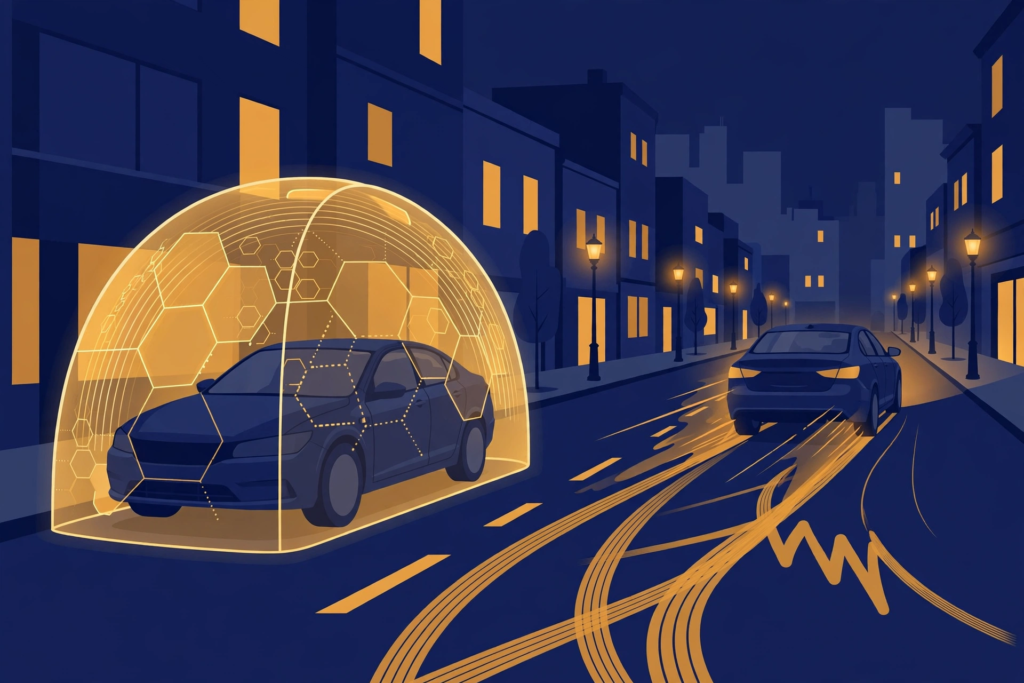
Few driving experiences are as frustrating as a hit and run. You are left with a damaged car — or worse, injuries — and the person responsible is gone. Whether someone sideswiped your parked car overnight or struck you in moving traffic and fled, it is natural to feel helpless. But you are not without options. The right hit and run insurance coverage can pay for your repairs and medical bills even when the other driver is never found.
Here is what to do immediately after a hit and run, how your insurance responds, and how to protect yourself from being caught without coverage next time.
Hit and run insurance at a Glance
Involved in a hit and run? Learn what to do at the scene and how hit and run insurance coverage pays for your damage and injuries. Below, we break down hit and run insurance in detail so you can act with confidence.
Table of Contents
Immediate Steps After a Hit and Run
Stay Safe and Call 911
If the hit and run happened while you were driving, pull over to a safe location. If you or your passengers are injured, call 911 immediately. Even if injuries seem minor, a medical evaluation creates a record that matters for any claim.
Do not chase the fleeing driver. Pursuing someone who has already shown reckless judgment puts you in danger, and it is never worth the risk.
Gather Whatever Information You Can
You may not have gotten much, but write down everything you noticed:
- The other vehicle’s color, make, model, or even partial details
- Any part of the license plate you saw
- The direction the vehicle fled
- The exact time and location
Check for witnesses — nearby pedestrians, other drivers, or storefront employees. Ask for their contact information; their statements can be valuable.
Call the Police and File a Report
A police report is one of the most important things you can do after a hit and run. An official report:
- Documents the incident for your insurance claim
- May help law enforcement identify the driver through traffic cameras, plate readers, or debris left at the scene
- Is often required by insurers before they will pay a hit and run claim
Be honest about what you saw and what you did not. “I didn’t get the plate” is fine — accuracy matters more than completeness.
Document the Damage
Photograph your vehicle’s damage from multiple angles, plus the surrounding area. Look for clues: paint transfer from the other car, broken glass, or parts the other vehicle left behind. Bag any debris that looks like it came from the other car — it could help identify it.
How Insurance Covers a Hit and Run
Which coverage pays depends on what was damaged and whether you were injured — and, crucially, what coverage you bought before the accident.
Uninsured Motorist Coverage
Uninsured motorist (UM) coverage is the most important protection for hit and runs. A hit and run driver is treated as an uninsured driver in most states, so UM coverage steps in. It typically includes:
- Uninsured motorist bodily injury (UMBI): pays for your medical bills, lost wages, and pain and suffering
- Uninsured motorist property damage (UMPD): pays for damage to your vehicle in many states (not all — some states only allow UMBI)
UM coverage is required in some states and optional in others, but it is one of the smartest add-ons you can buy precisely because of scenarios like this.
Collision Coverage
If the fleeing driver damaged your car, collision coverage pays for repairs regardless of who was at fault — including hit and runs. You will owe your deductible, and filing the claim could affect your rates, but collision is often the fastest path to getting your car fixed.
Comprehensive Coverage
If your car was hit while parked, some insurers handle it under collision, while others may consider certain scenarios under comprehensive. Either way, parked-car hit and runs are among the most common — and most frustrating — cases, and having either coverage means you are not paying for the whole repair yourself.
Medical Payments or PIP
Medical payments coverage (MedPay) and personal injury protection (PIP) pay for medical expenses after an accident no matter who was at fault. They are useful supplements when you are waiting for a UM claim to be resolved.
What If the Driver Is Found?
Sometimes the fleeing driver is identified — through cameras, witnesses, or license plate readers. If that happens, you can file a claim against their insurance like any other accident. The driver’s hit and run behavior does not change your right to compensation; if anything, it strengthens your position. You can also pursue them personally for damages, and the driver may face criminal charges, which can support your civil claim.
Even if the driver is found but turns out to be uninsured, your uninsured motorist coverage still has you covered.
Will a Hit and Run Raise My Rates?
This is one of the most common worries, and the answer is reassuring: hit and run claims are typically treated as not-at-fault claims. Because you did not cause the accident, insurers generally do not penalize you the way they would for an at-fault crash. Rules vary by state and insurer, but most drivers see little or no rate increase after a hit and run claim — especially under uninsured motorist or comprehensive coverage.
Protecting Yourself Before the Next Hit and Run
You cannot prevent someone from fleeing, but you can make sure you are covered:
- Carry uninsured motorist coverage with limits high enough to actually help — state minimums may not be enough.
- Keep collision coverage on any car you cannot afford to repair or replace yourself.
- Consider a dashcam. Forward and rear dashcams dramatically increase the odds of capturing a fleeing driver’s plate. They are affordable and useful evidence in any claim.
- Park smart. Well-lit, high-traffic areas and garages reduce the risk of parked-car hit and runs.
Frequently Asked Questions
Does insurance cover a hit and run if the driver is never found?
Yes, if you have the right coverage. Uninsured motorist coverage treats hit and run drivers as uninsured and pays for injuries and (in many states) vehicle damage. Collision coverage pays for your car repairs regardless of fault.
Should I call the police for a hit and run?
Always. A police report documents the incident, supports your insurance claim, and gives law enforcement a chance to find the driver. Many insurers effectively require a police report before paying a hit and run claim.
What if my parked car was hit and nobody left a note?
Treat it as a hit and run: call the police, photograph the damage, check for nearby security cameras, and file a claim under your collision or uninsured motorist property damage coverage. Look for paint transfer and debris that could identify the other vehicle.
Will my rates go up after a hit and run claim?
Usually not significantly. Hit and runs are not-at-fault incidents, and insurers generally do not surcharge for them the way they do for at-fault accidents. Comprehensive and uninsured motorist claims in particular rarely affect rates.
Do I need a lawyer for a hit and run?
For minor damage, usually not — your insurer can handle it. If you were injured, the driver was caught and is fighting liability, or your claim was denied, a consultation with a personal injury attorney is worth considering.
The Bottom Line
A hit and run is infuriating, but it does not have to be financially devastating. Uninsured motorist coverage and collision coverage exist exactly for this scenario. Review your policy today — before you need it — to make sure those protections are in place. And if you have recently been in a hit and run, take a moment to compare quotes too: the best time to find an insurer with strong claims service and fair UM pricing is when you are not under pressure. A few quotes now could make all the difference next time.
Rules and rates change, so double-check the details of hit and run insurance with the Insurance Information Institute’s claims guide. For more ways to save, keep reading the guides linked below.
Shopping for hit and run insurance? Start by comparing quotes from at least three insurers — drivers who compare save significantly on hit and run insurance every year.